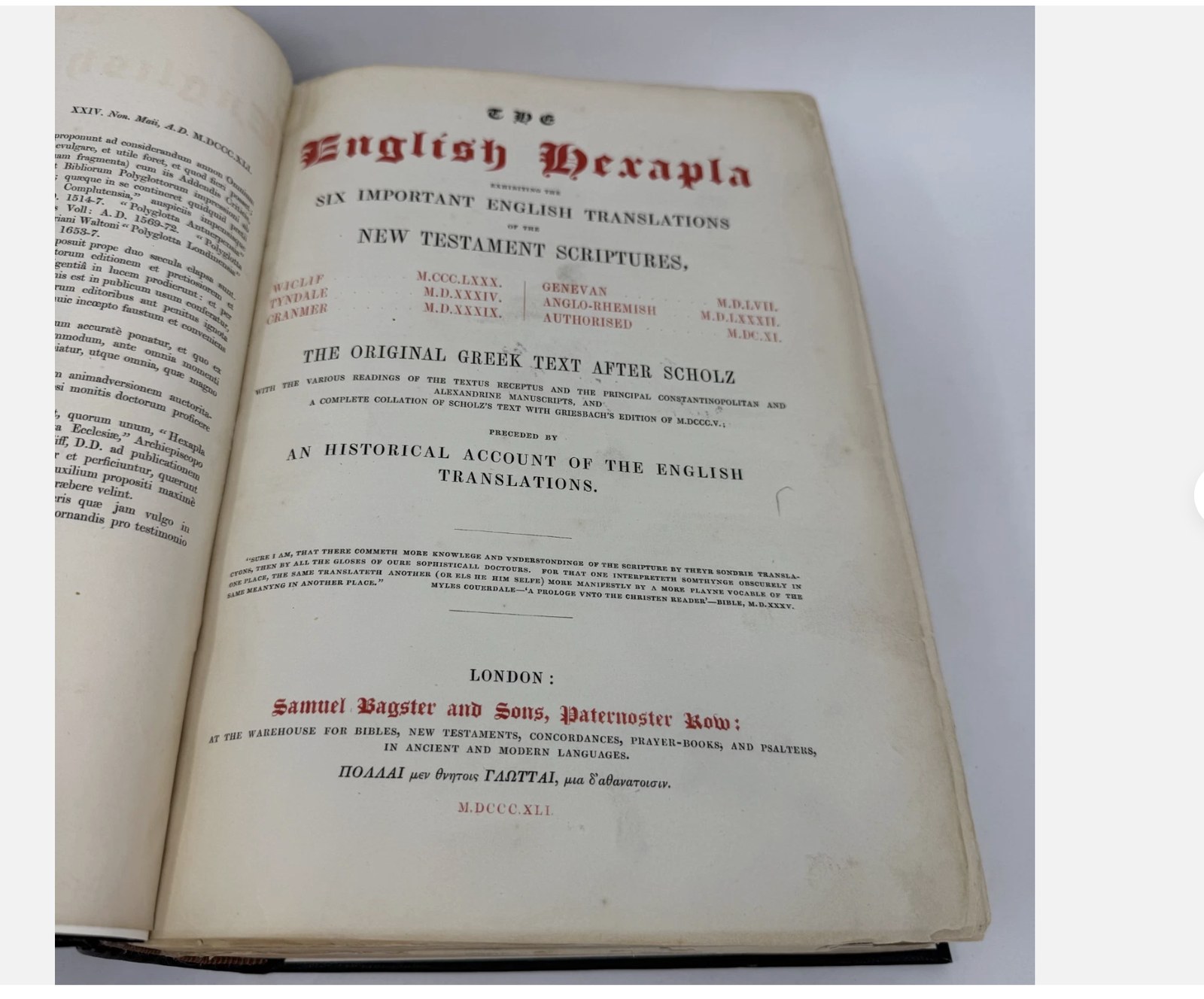
Age & Publication History
Pre-1800 volumes and early-edition books from significant authors are foundational. Publication date, printing, and edition information matter deeply to collectors.

Pre-1900 books, antiquarian leather bindings, and regional material from the Territorial era. Age matters, but condition, rarity, and provenance matter more. We handle fragile material properly and price fairly.
Not just age. Condition, rarity, binding, provenance, and market demand determine value.
Pre-1800 volumes and early-edition books from significant authors are foundational. Publication date, printing, and edition information matter deeply to collectors.
Full morocco, gilt tooling, marbled endpapers, and fine leather bindings indicate quality. Machine-made cloth is less valuable than hand-bound or calf leather.
Limited print runs, scarce regional publications, and documented ownership history all increase value. Association copies and signed volumes are especially sought after.
Collectors pay premium for fine copies. Foxing, spine wear, loose hinges, and page browning reduce value significantly. Clean, tight bindings command the best prices.
Territorial-era Americana, early Southwest history, natural history, and local regional authors have strong collector demand in the Albuquerque market.
We price based on actual market data—auction results, dealer listings, and collector demand. Some antique books are valuable; others are common regardless of age.
Full morocco vs. cloth. Gilt tooling. Marbled boards. Quality leather develops character with age. We recognize fine bindings and price accordingly—not based on age alone, but on materials and craftsmanship.
Books owned by notable people, with inscriptions, or from significant libraries command premium prices. We investigate ownership history, publisher details, and edition points. Documentation matters.
Foxing, browning, spine fading, and binding wear all affect value. We assess honestly and price fairly. A fine antique in fine condition is rarer and more valuable than a reading copy.
I buy the books from these thrift stores every week. Might as well pay the customer instead.
Send photos and details. We'll respond within the hour during business hours. Books we don't buy without resale value are sorted: kids' books go to the New Mexico Literacy Project (the literacy side of what we do, not a registered non-profit or charity); adult books too common or damaged to resell, I haul to the paper recycler myself.
505-250-3804Mon–Sat · 9am–6pm · Text anytime
No. Many 19th-century books are common and worth $1-5 despite their age. Value depends on rarity, author, condition, binding, and current collector demand—not age alone.
Points of issue are small variations in first printings—misspellings later corrected, dust jacket color, binding details. These variations affect value significantly for serious collectors.
Quality matters more than age. Full morocco with gilt tooling is valuable. Cloth-bound sets or later decorative leather often have minimal resale value. We evaluate the specific binding quality and age.
Yes. We sort, evaluate each book individually, and pay for what has market value. Kids' books we don't buy go to NMLP; overprinted adult material and damaged books we haul to a paper recycler ourselves. Nothing is wasted.
Books I can't pay cash for — or that you'd rather just give away — get donated right here through the New Mexico Literacy Project. Same warehouse, free 24/7 drop-off, or I'll pick up for you. Nothing to the landfill.
Donate Instead →Not sure? Read "Should I Sell or Donate My Books?" — the honest answer →